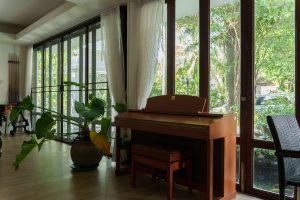

A dementia diagnosis in the family changes the shape of retirement planning, but it doesn’t have to close off the option of a life abroad. Thailand has quietly become a recognized destination for high-quality memory care – offering a level of one-on-one attention that’s often out of reach at home, at a fraction of the cost. Here’s what memory care in Thailand actually looks like, and how to evaluate whether it’s the right fit for your family.
Overview of Dementia in Aging
Dementia, including Alzheimer’s disease, affects memory, reasoning, and day-to-day functioning progressively over time. It’s one of the most common reasons families begin looking seriously at supported living options, since the level of supervision and specialized care required typically exceeds what’s manageable at home as the condition advances – regardless of where in the world a family is based.
Memory Care Facilities in Thailand
Specialized Dementia Care Facilities
Thailand has developed a genuine niche of dedicated memory care providers, particularly around Chiang Mai, Hua Hin, and Bangkok, alongside dementia-capable units within broader senior living communities in places like Pattaya. These range from clinical, hospital-adjacent settings to resort-style communities designed to feel as far from an institutional environment as possible.
Features of Memory Care
What sets memory care apart from general senior living is the staffing ratio and the structure. Many Thai memory care providers offer close to one-on-one staffing, secure and calming physical environments, consistent daily routines (which matter enormously for dementia patients), and structured activities like music or reminiscence therapy designed specifically to support cognitive engagement rather than just fill time.
The physical environment tends to matter more here than in general senior living. Well-designed memory care spaces use clear sightlines and simple layouts to reduce disorientation, secure but unobtrusive exits to prevent wandering without feeling like a locked ward, and calming sensory elements – gardens, natural light, familiar textures – that have a genuine, measurable effect on agitation and anxiety in dementia patients. Staff training is the other half of the equation: look specifically for teams trained in dementia-specific communication techniques, since the way a caregiver responds to confusion or repetition makes an enormous difference to a resident’s day-to-day comfort.
What a Typical Day Looks Like
Good memory care providers build the day around predictability, since routine itself is therapeutic for dementia patients. Mornings typically follow a consistent rhythm of waking, hygiene support, and breakfast at the same time each day, followed by structured activities – light exercise, music therapy, simple craft or sensory activities – timed to a resident’s natural energy levels. Meals are usually social, taken in small groups rather than alone, and afternoons often include rest periods alongside gentle stimulation like familiar music or guided reminiscence conversations. Evenings tend to wind down early and consistently, which helps reduce the late-day confusion and agitation (sometimes called “sundowning”) that many dementia patients experience.
Costs of Memory Care
This is where Thailand’s value proposition becomes hard to ignore. High-quality, near one-on-one dementia care in Thailand often runs in the neighborhood of ฿30,000–35,000 a week – broadly comparable to £750 a week – for a level of individual attention that would cost dramatically more in the UK, US, or Australia, where equivalent facilities often staff at ratios closer to one caregiver for every six residents. Pricing varies by facility and level of care needed, but the gap compared to Western memory care costs is consistently large.
In-Community Support vs. Dedicated Facilities
Daycare and Respite Care
Not every family needs full residential memory care immediately. Daycare programs and respite stays – where a loved one attends structured activities during the day or stays for a short period while a caregiver travels or rests – are increasingly available in Thailand and can be a gentler first step than a full relocation into residential care.
Comparing With Family Care
Family caregiving is deeply valued in Thai culture, and many expat families initially try to manage dementia care at home with the help of a hired caregiver. This can work well in the earlier stages, but as needs increase, the specialized training, safety features, and structured environment of a dedicated memory care setting typically provide a better outcome for both the person living with dementia and the family caring for them.
Legal and Guardianship Issues
Planning ahead matters enormously here. It’s worth arranging power of attorney and clear guardianship documentation – ideally before cognitive decline progresses far enough to complicate legal capacity – so that a trusted family member or appointed representative can make decisions on medical care, finances, and living arrangements without unnecessary legal friction.
Expat Families Choosing Thailand
A Growing Trend
International media, including UK outlets, have reported on a genuine and growing trend: families bringing relatives with dementia to Thailand specifically for the quality and affordability of care available here, particularly when comparable at-home care in their country of origin would be financially out of reach for the same staffing ratio.
Support for Caregivers
Caring for a family member with dementia is emotionally demanding regardless of location, and isolation can make it harder. Many senior communities and expat networks in Thailand run caregiver support groups, and staff at well-established memory care facilities are typically well practiced at supporting family members through the emotional side of the transition, not just the clinical side.
Choosing the Right Care
Accreditation and Quality
Confirm that any facility you’re considering is properly licensed by Thailand’s Ministry of Public Health, staffed around the clock by trained nurses (not just general caregivers), and transparent about its pricing structure. A facility that welcomes unannounced visits and is happy to answer detailed questions is usually a good sign.
Key Questions to Ask
Before committing, ask about staff-to-resident ratios, specific dementia training staff receive, how the facility handles medical emergencies, what a typical day looks like, how family visits and communication are handled for long-distance relatives, and exactly what’s included in the quoted price versus billed separately.
Touring and Trial Stays
Numbers and brochures only tell you so much. Visiting in person – ideally unannounced, or at least without much advance notice – reveals far more than a scheduled tour: how staff actually interact with residents in an ordinary moment, whether the space feels calm or chaotic, and whether residents look engaged or simply parked in front of a television. Many facilities in Thailand also offer short trial or respite stays, which can be a genuinely useful way to see how a loved one responds to the environment before committing to a permanent move, and to gauge how the family communication process works in practice rather than in theory.
Veelgestelde vragen
Wat is geheugenzorg precies?
Geheugenzorg verwijst naar gespecialiseerde diensten voor mensen met de ziekte van Alzheimer of andere vormen van dementie – doorgaans inclusief een beveiligde, gestructureerde omgeving, speciaal opgeleid personeel en programma's zoals muziek- of remniscentietherapie die ontworpen zijn om de cognitieve functies te ondersteunen.
Hoeveel kost dementiezorg in Thailand?
Hoogwaardige, nagenoeg één-op-één zorg kost vaak zo'n ฿30.000–35.000 per week. De prijzen variëren per faciliteit en zorgniveau, maar liggen consequent ruim onder vergelijkbare personeelsratio's in de VS, het VK of Australië.
Zijn er specifieke opties voor geheugenzorg in Pattaya?
Ja – hoewel de grootste gespecialiseerde geheugenzorgcentra geconcentreerd zijn rond Chiang Mai en Hua Hin, biedt Pattaya gespecialiseerde geheugenondersteuning binnen seniorenwoongemeenschappen, met getrainde zorgverleners die zijn uitgerust om met dementie-specifieke behoeften om te gaan.
Waar moet ik op letten bij een zorginstelling voor geheugenzorg?
Bevestig dat de faciliteit een vergunning heeft van het Thaise Ministerie van Volksgezondheid, 24 uur per dag en 7 dagen per week bemand is door opgeleide verpleegkundigen, en transparant is over de prijzen. Veiligheidsvoorzieningen, gestructureerde activiteitenprogramma's en taalondersteuning zijn allemaal van belang – en een persoonlijk bezoek voorafgaand aan de beslissing wordt ten zeerste aanbevolen.
Kunnen familieleden vaak op bezoek komen?
De meeste instellingen moedigen de betrokkenheid van familie actief aan, met reguliere bezoektijden en, voor familieleden ver weg, videogesprekken om tussen bezoeken door contact te houden.
Ondersteunt de Thaise wet goede dementiezorg van hoge kwaliteit voor buitenlanders?
Ja – ouderenzorgcentra hebben een vergunning van het Thaise Ministerie van Volksgezondheid, en door buitenlanders gerunde of op buitenlanders gerichte tehuizen komen veel voor en zijn goed gevestigd. Het instellen van een volmacht en duidelijke voogdijdocumentatie volgens de Thaise wetgeving wordt ten zeerste aanbevolen voor de lange termijn.
Kan ik een kort verblijf uitproberen voordat ik kies voor permanente geheugenzorg?
Many facilities offer respite or trial stays, which can be a genuinely useful way to see how a loved one responds to the environment and staff before making a permanent decision.
What's the difference between "sundowning" and general confusion, and does memory care help with it?
Sundowning refers to increased confusion, agitation, or restlessness that many dementia patients experience in the late afternoon and evening. Well-run memory care programs plan around this directly – consistent routines, calming evening activities, and predictable schedules – which tends to reduce its severity compared to a less structured home environment.
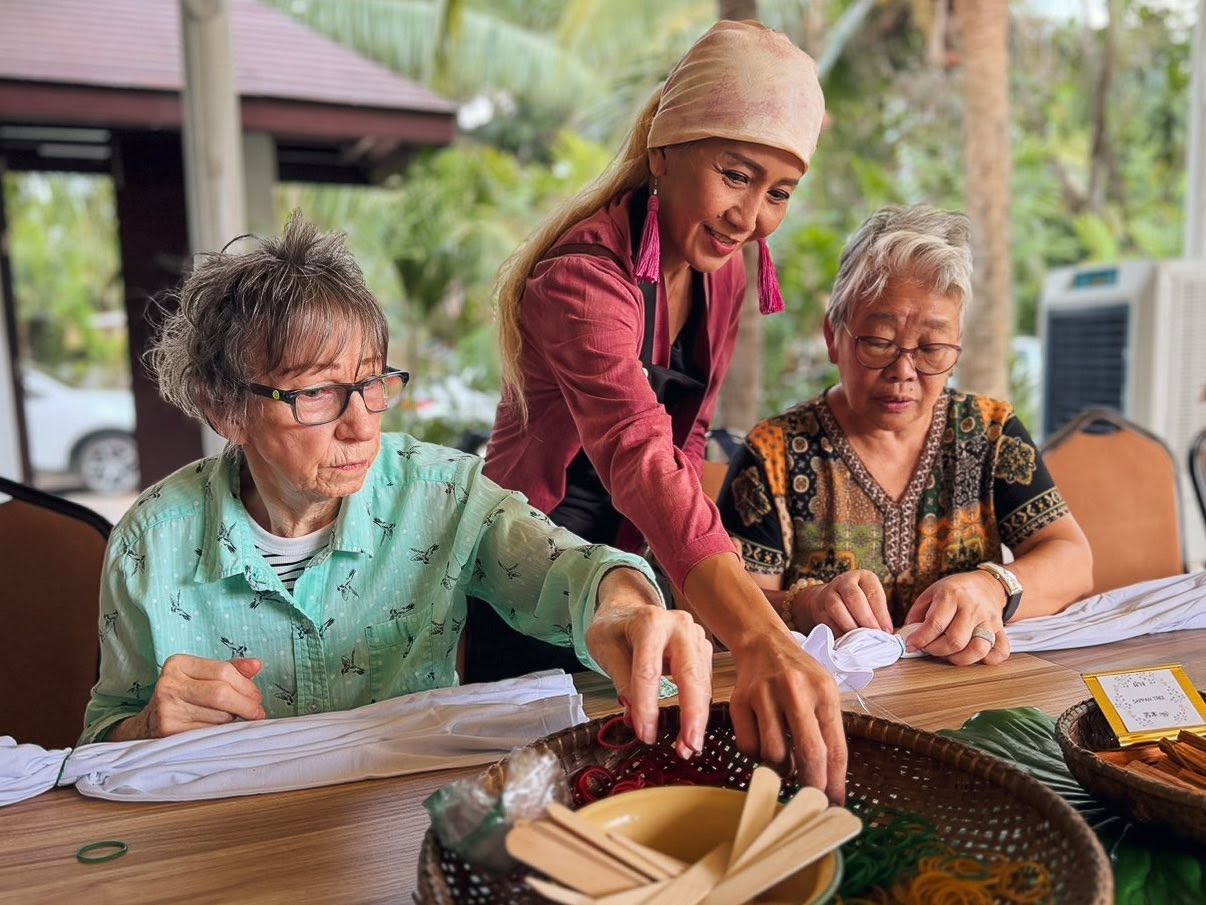
Learn more: Explore our Senior Care Services to see how our memory care program works day to day, browse photos on our Fotogalerij, or contact our team for a family consultation.
Decisions about memory care are rarely easy, and they’re even harder to make from a distance. If you’re weighing this kind of move for a parent or loved one, our team at Homerly is glad to talk through what day-to-day memory support actually looks like here, no pressure and no obligation.