
שירותי בריאות הם בדרך כלל הגורם המכריע בשאלה האם פרישה לגמלאות בחו"ל מרגישה כמו הרפתקה או דאגה. החדשות הטובות לכל מי ששוקל את תאلand: למדינה יש כמה בתי החולים הפרטיים הטובים ביותר באסיה, צוות רפואي דובר אנגלית בכל אזור מרכזי של גולים, ועלויות שנשארות שבריר מהעלות של טיפול דומה בארה"ב, בריטניה או אוסטרליה. הנה למה לצפות באמת, ואיך לוודא שאתה מבוטח כראוי.
סקירה כללית של מערכת הבריאות בתאילנד
תאילנד מנהלת מערכת בריאות דו-שכבתית: רשת ציבורית נרחבת המשרתת את אזרחי תאילנד (וזמינה גם לזרים, אם כי לעיתים תוך התפשרות על שפה וזמני המתנה), ומגזר בתי חולים פרטיים גדול ומפותח מאוד שבו משתמשים רוב הגולים והגמלאים בשל הנוחות, השירות בשפה האנגלית וזמנים קצרים יותר. עבור בני הגיל השלישי העוברים להתגורר בה ממדינה אחרת, הבנת ההבדל – וידיעה מתי כל אפשרות הגיונית – היא הצעד הראשון בבניית תוכנית בריאות שתוכלו באמת להישען עליה.
שירותי בריאות ציבוריים לעומת פרטיים
בתי חולים ציבוריים
בתי חולים ציבוריים בפטייה ובבנגקוק ובסביבתן מספקים טיפול רפואי מוצק, ולעתים קרובות מצוין, בעלות נמוכה. המחיר שמשלמים מטופלים זרים הוא בדרך כלל שפה (צוות דובר אנגלית הוא פחות עקבי מאשר במתקנים פרטיים) וזמן (בתי חולים ציבוריים עשויים להיות כרוכים בהמתנה ארוכה יותר, במיוחד עבור טיפול שאינו דחוף). עבור טיפול שגרתי או כזה המודע לתקציב, בתי חולים ציבוריים נותרו אפשרות טובה באמת — גולים רבים הומי-טווח משתמשים בהם לצרכים יומיומיים תוך שמירת הטיפול הפרטי לכל דבר מורכב יותר.
בתי חולים ומרפאות פרטיים
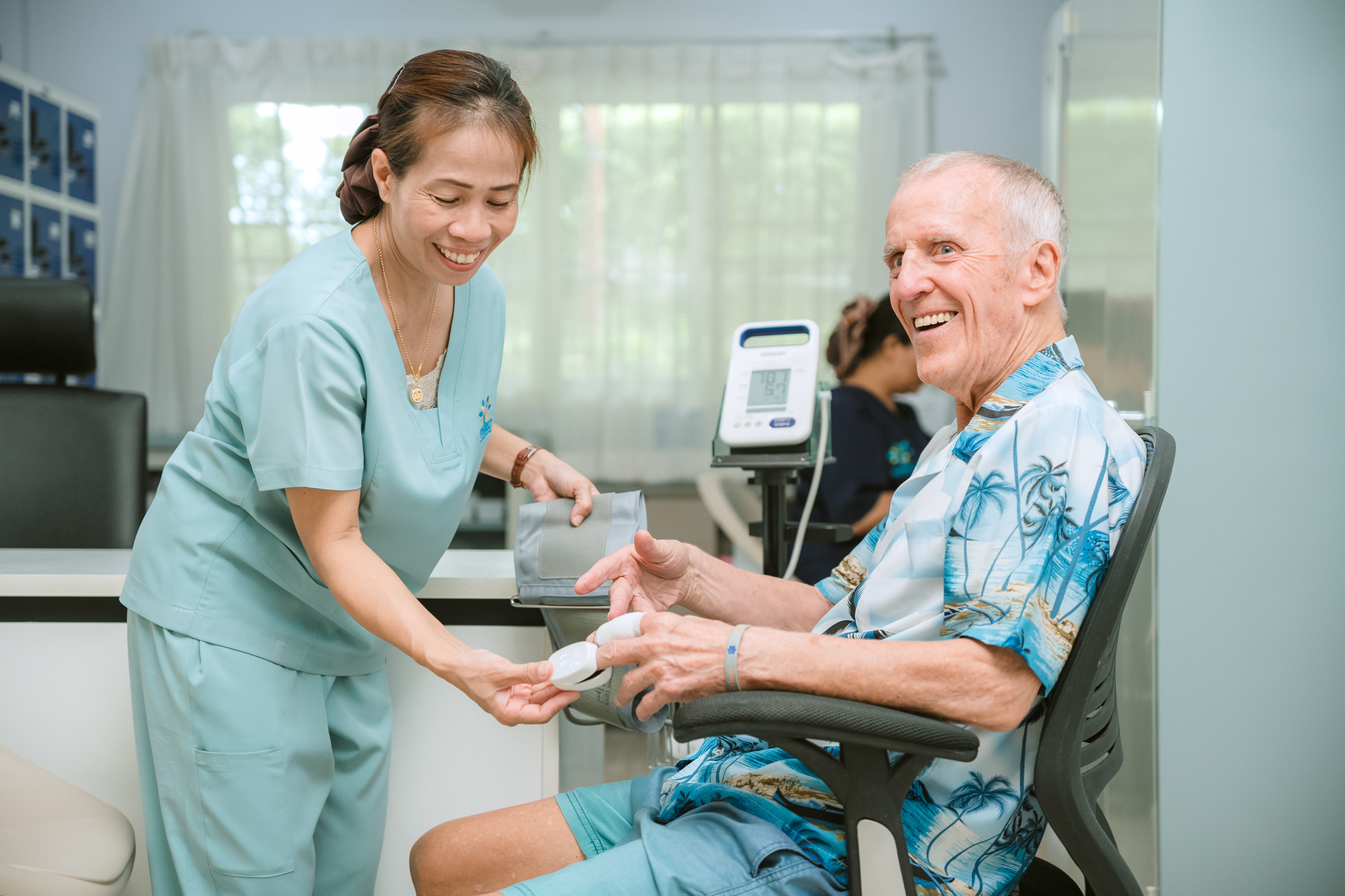
בתי חולים פרטיים הם המקום שבו מרבית הגמלאים והתושבים הזרים מוצאים את עצמם לצורך טיפול רגיל, וקל להבין מדוע: מתקנים מודרניים, רופאים ואחיות דווברי אנגלית, זמני המתנה מינימליים, ורמת נוחות הקרובה יותר לזו של מלון מאשר לבית חולים טיפוסי. המחיר לכך הוא העלות, למרות שאפילו טיפול פרטי בתאילנד זול באופן דרמטי בהשוואה לטיפול מקביל ברוב המדינות המערביות.
איכות ואקרדיטציה
רבים מהבתי החולים הפרטיים המובילים בתאילנד מחזיקים בהסמכה של ארגון Joint Commission International (JCI) – אותו מדד איכות בינלאומי שבו משתמשים בתי החולים המובילים בעולם – וחלקם מתמחים במיוחד במתן שירות למטופלים בינלאומיים, עם שירותי תרגום ייעודיים ודלפקים לתיאום ביטוחי המשלובים בפעילותם השוטפת.
אפשרויות ביטוח בריאות
ביטוח חובה עבור ויזת פרישה O-A
אם אתה מגיש בקשה ויזה לפרישה מסוג O-A, ביטחון רפואי אינו אופציונלי. נכון לשנת 2026, הכיסוי המינימלי הנדרש הוא 40,000 באט עבור טיפול אמבולטורי (חוץ) ו-400,000 באט עבור טיפול באשפוז (בית חולים) בשנה, במסגרת תוכנית המאושרת על ידי נציבות הביטוח של תאילנד. מחלקת ההגירה בודקת זאת ישירות בעת ההגשה והחידוש, כך עליו להישאר פעיל באופן רציף — מתן האפשרות לפוליסה פג תוקף עלול לסכן את מעמד הויזה שלך, ולא רק את הכיסוי הרפואי שלך.
ביטוח בריאות פרטי לתושבי חוץ
מעבר למינימום הנדרש לוויזה, רוב הפורשים בוחרים בכיסוי מקיף יותר, באמצעות חברת ביטוח בינלאומית (Cigna, AXA, Pacific Cross ו-IMG הן נפוצות בקרב קהילת הגולים) או תוכנית המבוססת בתאילנד. תוכניות בינלאומיות נוטות להציע כיסוי גלובלי רחב יותר ותקרות תביעה גבוהות יותר; תוכניות מקומיות תאילנדיות זולות לרוב יותר אך עשויות להגביל את ההטבות לסכומים נמוכים יותר. אף אפשרות אינה “טובה יותר” באופן אוטומטי – הדבר תלוי בהיסטוריה הרפואית שלך, בתקציב שלך, ובשאלה האם אתה מעוניין בכיסוי שילווה אותך אם תטייל או תעבור בסופו של דבר למקום אחר.
עלויות התוכניות
הפרמיות משתנות באופן משמעותי בהתאם לגיל ולהיסטוריה הרפואית. גמלאי בריא בשנות ה-50 המאוחרות עד תחילת שנות ה-60 עשוי לשלם כ-$75–200 בחודש עבור כיסוי מקיף, בעוד שאדם בשנות ה-60 המאוחרות לחייו ומעלה, או בעל מחלות רקע, צפוי לשלם פרמיות גבוהות משמעותית — לעתים $250–350 בחודש ואף יותר. כדאי גם לדעת שחלק מחברות הביטוח מפסיקות לקבל מצטרפים חדשים מעבר לגיל מסוים (לעתים קרובות 65 או 70), ולכן רכישת פוליסה מוקדם ככל האפשר נוטה להיות זולה ופשוטה יותר.
עלויות רפואיות טיפוסיות
ביקורים אצל רופא משפחה ומומחה
ביקור אצל רופא משפחה עולה בערך 200–500 באט בבית חולים ציבורי, או 700–3,000 באט בклиניקה פרטית, בהתאם להתמחות. ייעוצי מומחים (קרדיולוגיה, אורתופדיה וכדומה) נוטים כלפי הקצה הגבוה של טווח בתי החולים הפרטיים, אם כי הם עדיין נמוכים בהרבה מהעלויות המקבילות ברוב המדינות המערביות.
אשפוז ובתי מרקחת
עלויות האשפזות משתנות באופן דרמטי בהתאם להליך, אך אפילו התערבויות משמעותיות בבתי חולים פרטיים מובילים מהוות בדרך כלל שבריר מהמחירים הפרטיים בארצות הברית או בבריטניה. תרופות מרجُم הן בדרך כלל זולות וזמינות באופן נרחב בבתי מרקחת בבתי חולים ובבתי מרקחת עצמאיים כאחד, שרבים מהם מחזיקים במלאי את אותם מותגים בינלאומיים שתזהו מהבית.
מתקנים מקומיים בפאטיה
בתי חולים מרכזיים
פטאיה נהנית משירות מעולה של בתי חולים פרטיים גדולים — כולל שמות מוכרים כמו בית החולים בנגקוק פטאיה — המציעים הכול, החל מטיפול חירום ועד למרפאות מומחים, ורבים מהם כוללים מחלקות ייעודיות לחולים בינלאומיים וצוות דובר שפות רבות.
מרפאות 24/7 ורפואה מרחוק
מעבר לבתי החולים הגדולים, לפאטיה יש רשת צפופה של מרפאות הפועלות מסביב שעון עבור צרכים שאינם דחופים, ורפואה מרחוק הפכה נפוצה יותר ויותר – מה שמאפשר לתושבים לקבוע ייעוצי וידאו למעקבים שגרתיים מבלי לצאת מהבית.
טיפים לבריאות בגיל השלישי
בחירת תוכנית ביטוח
בחנו מקרוב כיצד תוכנית מטפלת במצבים כרוניים (סוכרתיים, מחלות לב וכדומה), האם היא מכסה מצבים קיימים כלל, ומהן תקרות התביעות השנתיות או לכל החיים שלה. תוכנית זולה יותר שמגיעה לתקרה במהירות עלולה בסופו של דבר לעלות הרבה יותר מתווכנית יקרה מעט עם תקרות ריאליות לסוג הטיפול סביר להניח שתזדקקו לו ככל שתתבגרו.
לוח זמנים לבדיקות רפואיות תקופתיות
רוב בתי החולים הפרטיים בתאילנד מציעים חבילות בדיקות תקופתיות מקיפות – לרוב יסודיות יותר ומשתלמות יותר מאשר בדיקות שגרתיות בבית. בשילוב עם הקפדה על חיסונים מומלצים, בדיקה תקופתיות היא אחת הדרכים הפשוטות ביותר לאתר בעיות קטנות לפני שהן הופכות לגדולות.
שאלות נפוצות
האם אני זקוק לביטוח מיוחד כפנסיונר?
כן, אם יש ברשותך ויזת O-A – ההגירה התאילנדית דורשת ביטוח בריאות המכסה לפחות 40,000 באט עבור טיפול אמבולטורי ו-400,000 באט עבור אשפוז בשנה. גמלאים רבים בוחרים בכיסוי נוסף מעבר למינימום זה כדי להימנע מהוצאות כיס גבוהות עבור טיפול רציני יותר.
כמה עולה ביקור אצל רופא בתאילנד?
בתי חולים ציבוריים גובים בדרך כלל 200–500 באט ביקור, בעוד שמרפאות פרטיות עולות 700–3,000 באט או יותר בהתאם להתמחות. אפילו עם ביטוח, בחלק מהתוכניות חלה השתתפות עצמית, כך שכדאי לבדוק את הפרטים הספציפיים של הפוליסה שלך.
האם יש בתי חולים טובים בפאטיה?
כן – בפאטיה יש כמה בתי חולים פרטיים מוערכים עם צוות דובר אנגלית, המציעים הכול החל מטיפול חירום ועד מרפאות מומחים ובדיקות בריאות מקיפות לגיל השלישי.
מה לגבי מצבים מתמשכים כמו סוכרת?
רוב המחלות הכרוניות מטופלות היטב בתאילנד, עם מרפאות מומחים רבות ושירותי דיאטנים זמינים. כדאי לוודא שתוכנית הביטוח שתבחרו אכן מכסה במיוחד ניהול שוטף של מחלות כרוניות, שכן לא כולן עושות זאת.
האם אני יכול להשתמש בביטוח הלאומי או בכיסוי הבריאותי הלאומי של ארץ המוצר שלי בתאילנד?
בדרך כלל לא – רוב תוכניות הבריאות הלאומיות (כולל Medicare בארה"ב) אינן מכסות טיפול רפואי שניתן בחו"ל. גולים נסמכים על ביטוח פרטי, אם כי חלק מתוכניות הפנסיה או הוותיקים של ארץ המוצא מציעות החזר מוגבל עבור הוצאות רפואיות בחו"ל, כך ששווה לבדוק את התוכנית הספציפיות שלך.
איך אני מוצא רופא שמדבר את השפה שלי?
רוב הרופאים והאחיות בבתי חולים פרטיים באזורים של גולים דוברים אנגלית רהוטה, ולבתי חולים גדולים יש לרוב גם צוות הדובר שפות נוספות. קבוצות של קהילת הגולים הן גם מקור אמין להמלצות אישיות.
האם שירותי החירום אמינים בפאטיה?
כן – בתי חולים פרטיים בפאטייה מציעים שירותי אמבולנס מודרניים ומהירים וטיפול חירום. עבור מקרי חירום רפואיים כלליים, קו החירום הלאומי של תאילנד הוא 1669.
משפחות רבות שבוחרות ב-Homerly אומרות לנו ששקט נפשי בתחום הבריאות היה הגורם המרכזי ביותר בהחלטה שלהן. התמיכה במקום ושיתופי הפעולה שלנו עם בתי חולים נועדו להסיר את אי-הודאות בדיוק לגבי השאלות שמאמר זה עוסק בהן — צרו איתנו קשר אם תרצו פרטים ספציפיים למצבכם.