
Most retirement guides quietly assume you’re moving as a couple – which leaves a real gap for the growing number of people retiring in Thailand solo, whether by choice, circumstance, or simply because that’s where life has landed. Solo retirement here is not only workable, it’s genuinely common. Here’s what’s different about doing it alone, and how to set yourself up well from the start.
Retiring in Thailand Solo: You’re Not as Alone as It Feels
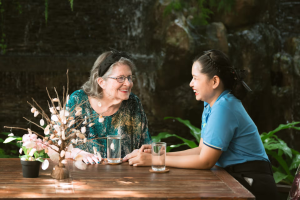
Solo retirees are a substantial and visible part of Thailand’s expat population, not a rare exception. Pattaya in particular has a large, well-established community of long-term single residents, which means the infrastructure – social groups, clubs, meetups – for building a life here without a built-in plus-one already exists and is easy to plug into.
The Real Concerns: Safety and Loneliness
Safety Living Alone
The practical safety questions solo retirees ask are reasonable ones: is it safe to live alone, and what happens in a medical emergency without someone else in the home to notice? Sensible precautions apply here just as they would anywhere – secure housing, a phone that’s always charged and on you, and a plan for who gets contacted if something happens. This is precisely where community-based living has a structural advantage over living entirely alone: a community with on-site staff and daily contact points means someone is likely to notice if something’s wrong, far faster than in a private apartment where days could pass unnoticed.
Loneliness Is the Real Risk, Not Boredom
Isolation, not boredom, is the genuine risk for solo retirees anywhere in the world, and it’s worth taking seriously rather than assuming it will resolve itself. The retirees who build a satisfying solo life in Thailand almost universally describe doing it actively – joining clubs, showing up to expat meetups more than once, saying yes to invitations – rather than waiting for connection to happen on its own.
Building a Social Circle Faster
Say Yes Early and Often
The first few months matter disproportionately. Attending the same coffee meetup, walking group, or hobby club two or three times – even if the first visit feels awkward – is usually what turns “a room of strangers” into “people who now expect to see you.” Most established expat groups in Pattaya are genuinely welcoming to newcomers, precisely because so many of their own members arrived the same way.
Community-Based Living Solves This Structurally
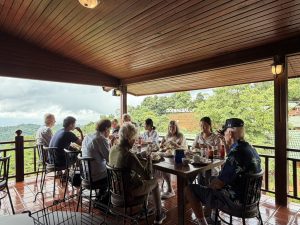
This is one of the strongest arguments for a senior living community specifically for solo retirees: the social infrastructure – shared meals, group activities, a genuine daily rhythm with other people – is already built in, rather than something you have to construct from scratch in a new country. For someone moving alone, that structural difference tends to matter more than it would for a couple who already have each other for company.
Practical Considerations Specific to Solo Retirees
Emergency Contacts and Documentation
Set up a power of attorney and a clear emergency contact plan before you need one – this matters more, not less, when there isn’t a spouse automatically positioned to make decisions on your behalf. (Our guide to legal and financial planning for retirement in Thailand covers this in detail.)
Visa and Financial Requirements Don’t Change
The retirement visa’s financial and insurance requirements apply the same way to solo retirees as to couples – there’s no different or reduced threshold, so budget and visa planning proceed exactly as they would for anyone else.
Dating and New Relationships
It’s worth mentioning plainly: plenty of solo retirees do meet new partners in Thailand, whether within the expat community or more broadly. It’s not something to plan around, but it’s a genuinely common part of the story for people who move here open to it.
שאלות נפוצות
Is it common to retire in Thailand alone?
Yes, very much so – solo retirees make up a significant part of the long-term expat population, particularly in established hubs like Pattaya, with plenty of existing social infrastructure to plug into.
Is it safe for a single senior to live alone in Thailand?
Generally yes, with the same sensible precautions that apply anywhere. Community-based living offers an additional safety advantage, since daily contact with staff and neighbors means someone is more likely to notice if something’s wrong.
How do solo retirees avoid loneliness?
Actively – joining clubs and social groups repeatedly (not just once), saying yes to invitations early, and in many cases choosing a community-based living arrangement where social connection is built into daily life rather than something to seek out alone.
Do visa requirements differ for solo retirees?
No – the financial and insurance requirements for the retirement visa are the same regardless of marital status.
Should solo retirees set up different legal protections than couples?
It’s worth extra attention specifically because there’s no spouse automatically positioned to make decisions on your behalf – a power of attorney and clear emergency contacts matter more, not less, for solo retirees.
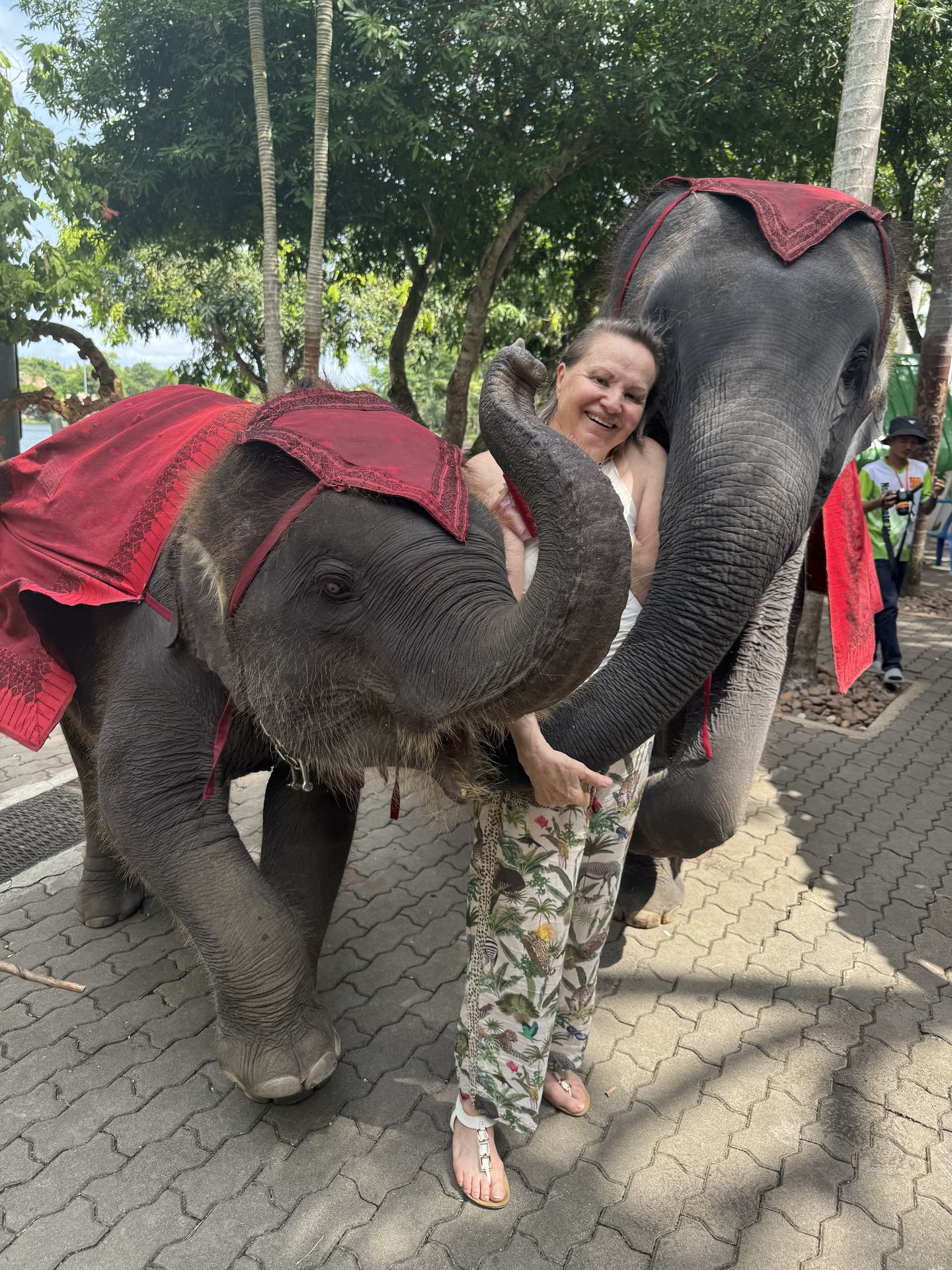
Homerly was built with exactly this in mind – for solo residents, the daily rhythm of shared meals and group activities means you’re never starting completely from scratch socially. Several of our residents moved here alone and will tell you it was easier than they expected.