
From the gentle, palms-together “wai” greeting to the joyful chaos of Songkran, Thai culture has a way of winning people over quickly – but settling in comfortably still takes a bit of orientation. This guide covers the everyday customs, useful language, and cultural touchstones that help expat seniors move from visitor to genuinely at-home in Thailand.
Learning Thai BasicsUseful Phrases
You don’t need fluency to make a real difference – a handful of phrases used consistently go a long way. “Sawasdee” (hello), “khop khun” (thank you), and “mai pen rai” (no worries / it’s fine, one of the most quintessentially Thai expressions there is) will serve you in almost any daily interaction. Learning numbers and a few market-shopping phrases makes grocery runs noticeably smoother, too.
Language Classes and Apps
Apps like Duolingo offer a low-pressure way to build basic vocabulary at your own pace, while in-person language schools and community classes – often available through senior living communities or expat centers – add the benefit of real conversation practice and immediate correction, which apps alone can’t fully replicate.
Thai Etiquette and CustomsThe “Wai” Greeting and Respect
The wai – palms pressed together at chest height with a slight bow – is Thailand’s traditional greeting and a visible marker of respect, especially toward elders and monks. As a foreigner, you’re not expected to initiate one, but returning a wai when someone offers it is polite and appreciated; a warm smile and a nod work just as well if you’d rather not.
Royal Family Reverence
Thais hold deep respect for the monarchy, and this is worth taking seriously as a visitor or resident: avoid making jokes or casual comments about the royal family, and treat images of the King (including on currency) with basic care and respect. This isn’t a minor cultural footnote – it’s one of the more important things to get right early on.
Dining and Social Norms
Shoes come off before entering homes and many businesses – look for a pile of shoes at the entrance as your cue. Meals are typically shared, with dishes placed in the center of the table rather than served as individual plates, and it’s considered polite to serve others before serving a large portion to yourself.
Festivals & CelebrationsSongkran (Thai New Year)
Held in mid-April, Songkran is Thailand’s most exuberant festival – famous for its city-wide water fights, which began as a gentle blessing ritual (pouring water over elders’ hands) and have evolved into days of joyful, drenching celebration in the streets. Dress for it, expect to get wet, and treat it as one of the most fun ways to bond with neighbors and locals alike.
Loy Krathong
Usually falling in November, Loy Krathong involves floating small, beautifully decorated baskets (krathong) – traditionally made from banana leaves and flowers – on rivers, canals, and ponds as an offering of gratitude and a symbolic release of grudges and misfortune. It’s a quieter, more reflective festival than Songkran, and genuinely lovely to take part in.
Other Celebrations
Chinese New Year is widely celebrated given Thailand’s large Thai-Chinese community, and Buddhist Lent (Khao Phansa) marks a period of reflection observed by monks and many lay Buddhists alike. Each offers its own window into Thai culture and community life.
Community & Social IntegrationJoining Local Clubs and Temples
Local temples welcome visitors respectfully observing or participating in ceremonies, and joining a club – golf, bridge, walking groups, language exchange – is one of the fastest ways to build a genuine local social circle rather than staying inside an expat bubble exclusively.
Interacting with Thai Neighbors
Thai social culture leans warm and generous, with small talk, genuine curiosity about newcomers, and general hospitality as the norm. A simple habit worth adopting: greet neighbors, accept invitations when they come, and don’t be surprised by spontaneous generosity – it’s a very Thai thing, not a special exception being made for you.
Dealing with Culture ShockCommon Challenges
The heat takes real adjustment, especially for anyone coming from a cooler climate. The pace of life and bureaucracy can also test patience – Thai processes sometimes move on their own timeline, and getting visibly frustrated rarely speeds things up. Language barriers, even small ones, can occasionally make simple errands feel more effortful than they would at home.
Tips to Adapt
Patience and a genuine sense of humor go further here than almost anywhere else. Thai culture values “saving face” – staying calm and avoiding direct confrontation, even when frustrated – and adopting that same approach tends to get better results than pushing hard against a system that doesn’t respond well to pressure. Give yourself real time to adjust; culture shock among long-term expats typically fades meaningfully within the first few months as new routines take hold.
Perguntas Frequentes
How important is it to speak Thai?
While many Thais speak at least some English, learning a handful of common words and phrases shows genuine respect and consistently improves everyday interactions. Even modest effort is noticed and appreciated.
What is the Thai "wai" greeting, and do I need to use it?
The wai is a respectful greeting made by pressing your palms together at chest height with a slight bow. You’re not expected to initiate it as a foreigner, but returning one when offered – or simply smiling and nodding – is perfectly appropriate.
Are there senior discounts in Thailand?
Yes – many government attractions, some airlines, and select hotels offer discounts for visitors aged 60 and above. Carrying your passport as age verification is worth doing when visiting attractions.
What should I know about Thai festivals?
Songkran (mid-April) is a joyful, city-wide water festival marking Thai New Year – dress for it and expect to get thoroughly wet. Loy Krathong (usually November) is a quieter festival of floating decorated baskets as an offering of gratitude. Both warmly welcome participation from expats.
Is Thai culture very different from what I'm used to?
In some ways, yes – Thais tend to be indirect and highly polite, prioritizing harmony and “saving face” over blunt confrontation. Patience with bureaucracy, a genuine smile, and a willingness to adapt go a long way, and most newcomers find Thai culture remarkably welcoming once they settle in.
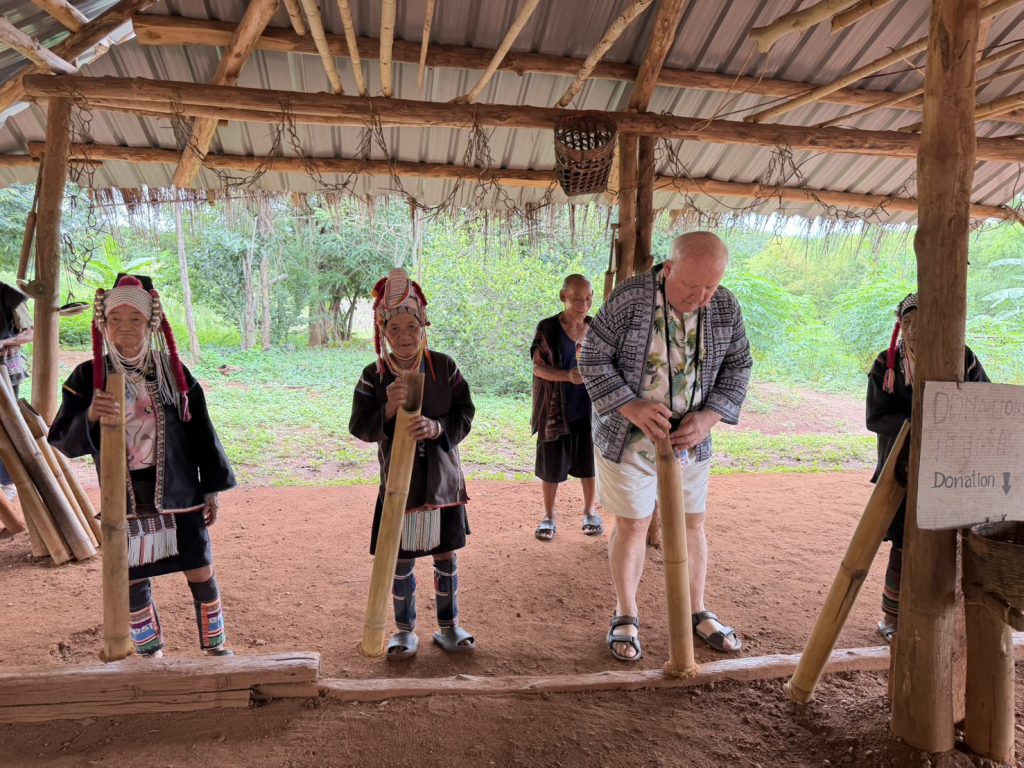
Cultural adjustment happens a lot faster with company. At Homerly, residents celebrate Songkran, Loy Krathong, and other Thai traditions together as a community, which tends to turn “adapting to a new culture” into simply “having a really good time learning it.” Come see what a celebration here looks like for yourself.
Learn more: Browse our Galeria de fotos for scenes from past cultural celebrations, or contact our team to learn more about community life at Homerly.