
Good nutrition becomes more, not less, important with age, and it’s often one of the first questions families ask before a move abroad. At Homerly, the answer is straightforward: our kitchen is staffed by both Western and Thai chefs, and every meal is ordered a la carte, so there’s no need to adapt to unfamiliar food unless a resident wants to. Here’s how nutrition and meal planning actually work at Homerly, and what a genuinely balanced day of eating can look like, whichever cuisine you prefer.
Importance of Senior Nutrition
As we age, our bodies need fewer calories but, if anything, more careful attention to nutrient quality – enough protein to maintain muscle mass, enough fiber and hydration to support digestion, and steady micronutrient intake to support bone health, immunity, and cognitive function. Under-eating or eating poorly doesn’t just affect energy levels; it’s directly linked to slower recovery from illness, higher fall risk, and weakened immune response.
Common Nutritional Challenges for Seniors
Malnutrition Risks
Malnutrition among older adults is more common than most people expect – hospital data suggests roughly 15% of elderly patients show signs of malnutrition, often driven by reduced appetite, medication side effects, dental issues, or simply eating alone. These risk factors don’t disappear when someone relocates abroad; if anything, an unfamiliar food environment can make it easier to under-eat if meals aren’t actively planned for.
Cultural Diet Differences
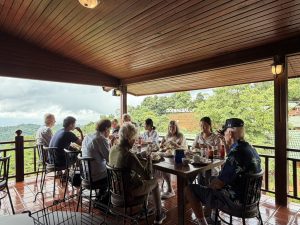
Food is one of the most common concerns families raise before a move, and at most senior living options abroad, adjusting to an unfamiliar cuisine is simply part of the deal. At Homerly, it isn’t. Our kitchen team includes dedicated Western and Thai chefs, and residents order a la carte rather than choosing from a single set menu. Residents who love Thai food can eat it every day; residents who prefer familiar Western dishes never have to compromise. There’s no adjustment period required, and no pressure to eat outside your comfort zone.
Balanced Diet Essentials
Key Food Groups
A well-rounded senior diet in Thailand leans on lean proteins (fish, chicken, tofu), a wide variety of vegetables (Thai cuisine’s use of vegetables is genuinely one of its strengths), and rice or other whole grains for energy, with attention paid to keeping sodium moderate – easy to do by asking for dishes with less added salt or fish sauce.
Hydration and Fiber
Thailand’s heat makes hydration especially important; older adults are more prone to dehydration and may not always feel thirsty even when they need fluids. Fiber-rich local fruits and vegetables support digestive health and are, conveniently, some of the most accessible and inexpensive foods available.
Supplements
Some seniors benefit from targeted supplementation – vitamin D (especially useful given that sun exposure is often minimized in the tropics precisely to avoid overheating), calcium, or protein supplements if appetite is reduced. Protein or nutrient shakes have been shown to help maintain grip strength and muscle mass in older adults who struggle to eat enough through regular meals alone. A dietitian can help identify what’s actually useful versus what’s marketing.
Meals in Thai Retirement Communities
Typical Menu Components
Because Homerly’s dining runs a la carte with both Western and Thai chefs on staff, there isn’t a single fixed menu – residents choose what they want, when they want it. On the Thai side, popular choices include rice or rice porridge (jok, a favorite for its gentleness on digestion), steamed or grilled fish, lightly stir-fried vegetables, and fresh tropical fruit like papaya, longan, and pomelo. On the Western side, residents can order equally familiar dishes prepared to the same standard, every single day.
Special Diets
Good community dining programs plan for diabetic-friendly, low-sodium, and texture-modified menus as standard, not as an afterthought – adapting familiar Thai dishes (less sugar in a curry, less salt in a soup) rather than replacing them entirely, so residents don’t feel like they’re eating separately from everyone else.
Portion Control and Timing
Smaller, more frequent meals – rather than three large ones – tend to suit older appetites better and help maintain steadier energy and blood sugar throughout the day. Many communities build this into their daily schedule with a light mid-morning or afternoon snack alongside the main meals.
Health Screening and Expert Support
On-Site Dietitians
Access to a dietitian who can adjust menus for individual health conditions – diabetes, high blood pressure, swallowing difficulties – makes an enormous difference in both health outcomes and quality of life. It’s worth asking directly, when evaluating any senior living option, whether nutrition planning is handled by a qualified professional or left informal.
Regular Health Checks
Routine check-ups that include basic nutritional screening (weight trends, blood work, appetite changes) help catch small issues – a medication affecting appetite, early signs of a swallowing problem – before they become bigger ones.
Sample Meal Plan
Example Day Menu
The day below shows one popular Thai-inspired option – a Western equivalent (eggs and toast, sandwiches, roast chicken, and so on) is equally available every day, ordered a la carte just the same way.
- Breakfast: Rice porridge (jok) with minced chicken and ginger, plus fresh fruit
- Mid-morning snack: Sliced papaya or a small protein shake
- Lunch: Steamed fish, stir-fried mixed vegetables, and jasmine rice
- Afternoon snack: Herbal tea and a small portion of nuts or fruit
- Dinner: Clear vegetable soup, grilled chicken or tofu, and a small portion of rice
- Throughout the day: Steady water intake, encouraged especially during the hottest hours
Domande frequenti
Perché gli anziani sono a più alto rischio di malnutrizione?
L'invecchiamento comporta una naturale diminuzione dell'appetito e del senso del gusto, mentre problemi comuni come le patologie dentali o l'assunzione di determinati farmaci rendono più difficile l'alimentazione. Circa il 15% dei pazienti anziani mostra segni di malnutrizione, e il passaggio a una nuova cultura alimentare senza un piano ben definito può aumentare tale rischio.
Che aspetto ha un pasto sano per anziani in Thailandia?
Un buon equilibrio comprende una generosa porzione di verdure, una proteina magra come pesce o pollo, e riso o porridge per l'energia – con pasti più piccoli e frequenti che spesso funzionano meglio di tre abbondanti.
Devo adattarmi al cibo thailandese se vivo a Homerly?
No. La cucina di Homerly ha chef occidentali e thailandesi dedicati e ogni pasto è ordinato à la carte. Puoi mangiare cibo occidentale tutti i giorni, cibo thailandese tutti i giorni o mescolare i due; non c'è bisogno di adattarsi a una cucina sconosciuta a meno che tu non voglia esplorarla.
Le vitamine o gli integratori sono solitamente necessari?
Alcuni anziani traggono beneficio da integratori di vitamina D o calcio, o da un frullato proteico se l'appetito è limitato: un dietista può aiutare a identificare ciò che è realmente utile per la tua specifica situazione invece di andare a tentoni.
Come gestiscono le comunità per pensionati le diete speciali?
Well-run communities plan diabetic-friendly, low-sodium, and other modified menus as a standard part of the dining program, typically adapting familiar dishes rather than serving something entirely separate.
What Thai fruits are especially good for seniors?
Papaya, longan, and pomelo are nutrient-dense, gentle on digestion, and widely available. As with any fresh produce, washing thoroughly before eating is a good habit.

Per saperne di più: Esplora il nostro Servizi di assistenza per anziani to see how our dining and dietitian program works day to day, browse photos on our Galleria fotografica, or contatta il nostro team if you’d like a sample week’s menu.
Meal planning is one of those things that’s easy to underestimate until it’s done well – at Homerly, our kitchen team works alongside a dietitian to build menus that are genuinely tailored, not just Thai food served at a senior facility. We’re happy to share a sample week’s menu if you’d like a closer look.