
가족이 부모님을 위한 시니어 리빙 시설을 선택할 때, “응급 상황이 발생하면 어떻게 되나요?”는 대개 가장 먼저 묻는 질문 중 하나이며, 안심시키는 미소 외에는 명확히 답변하기 가장 어려운 질문 중 하나입니다. 그래서 우리는 가족들에게 우리 팀이 준비되어 있다고 말만 하는 대신, 직원들이 직접 증명할 수 있도록 하루를 온전히 할애했습니다. 방콕 응급처치 교육(First Aid Training Bangkok)에서 인증받은 실습 위주의 심폐소생술(CPR) 및 응급처치 과정을 통해 흉부 압박부터 제세동기(AED) 사용, 심각한 출혈 관리까지 모든 것을 다루었습니다.
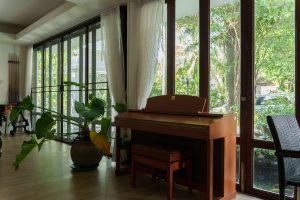
시니어 리빙 직원 CPR 교육의 날 내부 모습
4시간 동안 진행된 이 과정은 공인된 강사 트레이너의 지도 아래 오전부터 이른 오후까지 이어졌으며, 강의와 슬라이드로 때우는 오후가 아니라 첫 시간부터 실습 위주로 진행되었습니다. 직원들은 마네킹을 이용해 흉부 압박과 인공호흡을 연습하고, 자동제세동기(AED) 작동 및 제세동 과정을 단계별로 실행해 보았으며, 의료 응급 상황이 위기로 치닫기 전에 이를 인지하기 위한 현실적인 시나리오들을 다뤘습니다. 교육장은 실제로 근육 기억을 형성하는 반복 훈련으로 가득했습니다. 현장 상황을 파악하고, 반응을 확인하고, 도움을 요청하고, 압박을 시작하는 과정을 훈련이 아니라 본능처럼 느껴질 때까지 반복했습니다.
심폐소생술(CPR) 및 응급처치 교육이 실제로 다루는 내용
실제 응급 상황 대비 훈련은 흉부 압박만을 훨씬 뛰어넘습니다. 우리 팀의 세션에서 다룬 내용은 다음과 같습니다:
- 생명이 위급한 응급 상황 인지하기 심장마비, 심정지, 뇌졸중의 징후(FAST 방법 사용: 얼굴, 팔, 언어, 시간), 그리고 반응이 있는 환자와 없는 환자를 구별하는 방법
- 심폐소생술(CPR) 및 자동심장충격기(AED) 사용법 – 올바른 압박 기법과 깊이, 구조 호흡, 그리고 자동심장충격기(AED)의 준비 및 작동에 관한 전체 과정
- AB-CABS 접근법 – 환자를 평가하고 대응하는 체계적인 방법으로, 응급 상황 발생 후 처음 몇 분 동안 공황 상태 대신 훈련에 따라 대처할 수 있도록 합니다.
- 심각한 출혈 및 쇼크 관리 – 직접 압박, 상처 패킹, 그리고 쇼크가 위험해지기 전 초기 징후 인식하기
- 척수 손상 치료 추가적인 움직임 없이 누군가를 더 이상의 피해로부터 보호하는 방법
- 일상 응급처치 – 상처 치료, 화상, 염좌 및 좌상, 탈수, 발작, 그리고 각각에 차분하게 대처하는 방법
그 범위가 중요합니다. 시니어 리빙 커뮤니티에는 단순히 심폐소생술을 수행할 수 있는 직원만 필요한 것이 아니라, 애초에 실제로 무슨 일이 일어나고 있는지 정확히 파악할 수 있는 직원이 필요하며, 바로 이 점에서 대부분의 응급 상황 결과가 실질적으로 결정됩니다.
모든 입주민과 가족에게 이 교육이 중요한 이유
의학적 응급 상황에서는 몇 분이 생사를 가르며, “누군가가 뒤늦게 구급차를 부르는 시점”과 “훈련받은 사람이 이미 올바르게 대처하고 있는 시점” 사이의 간격은 전체 사건 중 가장 중요한 몇 분이 될 수 있습니다. 심폐소생술, 제세동기 사용, 응급처치에 대해 자신감이 있고 최신 기술을 숙지한 직원을 두는 것은 서류상으로만이 아니라 매일, 그 공백기를 가능한 한 가장 짧게 줄여준다는 것을 의미합니다.
공인된 강사들로부터 배우기
이것은 형식적인 재교육이 아니었습니다. 이 과정은 공인된 강사 트레이너의 지도 하에 전문 교육 기관인 퍼스트 에이드 트레이닝 방콕(First Aid Training Bangkok)에서 진행한 것입니다. 이러한 차이는 중요합니다. 자격을 갖춘 전문가로부터 받는 올바른 기술, 최신 지침, 그리고 직접적인 피드백이야말로 직원들에게 수료증과 동영상에 대한 어렴풋한 기억만 남기는 대신, 교육 내용이 실제로 기억에 남고 체화되도록 만드는 핵심이기 때문입니다.
호머리(Homerly)의 더 넓은 안전 문화의 일부
심폐소생술(CPR) 및 응급처치 교육은 정기적인 소방 안전 교육과 커뮤니티 전반에 걸친 지속적인 직원 역량 강화를 포함하여 거주자의 안전을 위한 더 큰 노력의 한 부분입니다. 이 중 어느 것도 거주자들이 매일 눈으로 볼 수 있는 종류의 것은 아니며, 그것이 바로 핵심입니다. 그것은 필요한 그날을 위해 온전히 준비되고 연습된 채 그 자리에 존재합니다.
자주 묻는 질문
호머리의 직원은 CPR과 응급처치 훈련을 받았나요?
네 – 저희 팀은 공인 강사 트레이너가 진행하는 응급 상황 인식, 심폐소생술, 자동 심장 충격기(AED), 심각한 출혈 조절, 쇼크 관리, 일상적인 응급 처치 등을 다루는 종합 실습 CPR, AED 및 응급 처치 과정을 이수했습니다.
Homerly에서 거주자가 응급 의료 상황을 겪게 되면 어떻게 되나요?
훈련된 직원은 비상 상황을 인지하고, 필요한 경우 심폐소생술 및 AED 사용을 포함한 적절한 초기 대응을 시작하며, 지체 없이 응급 의료 서비스 및 병원 파트너와 협력할 수 있는 역량을 갖추고 있습니다.
직원 재교육은 얼마나 자주 실시되나요?
응급 대응 기술은 연습 없이는 퇴색하기 때문에, 일회성 자격증이 아니라 지속적인 훈련이 직원 개발 접근 방식의 일부입니다.
이 교육은 심폐소생술 외에 다른 내용도 다루나요?
네 - 그 과정에서는 뇌졸중 및 심장마비 인식, 심각한 출혈 및 쇼크 관리, 척추 부상 치료, 상처 치료, 화상, 발작과 같은 일상 응급처치도 다루었습니다.
의료 응급 상황, 인력 배치 또는 일상적인 돌봄에 대한 질문은 가족들로부터 가장 흔히 듣는 질문이자 가장 중요하게 물어봐야 할 질문 중 일부입니다. 홈얼리가 가장 중요한 순간을 어떻게 준비하는지 전체적인 내용을 알고 싶으시다면 언제든지 문의해 주세요.